Heat Conduction Class 2026 Spring: Experiential Science Learning
Our 2026 Spring Heat Conduction Science Class transforms abstract physics into a hands-on journey of discovery, fostering critical thinking skills.
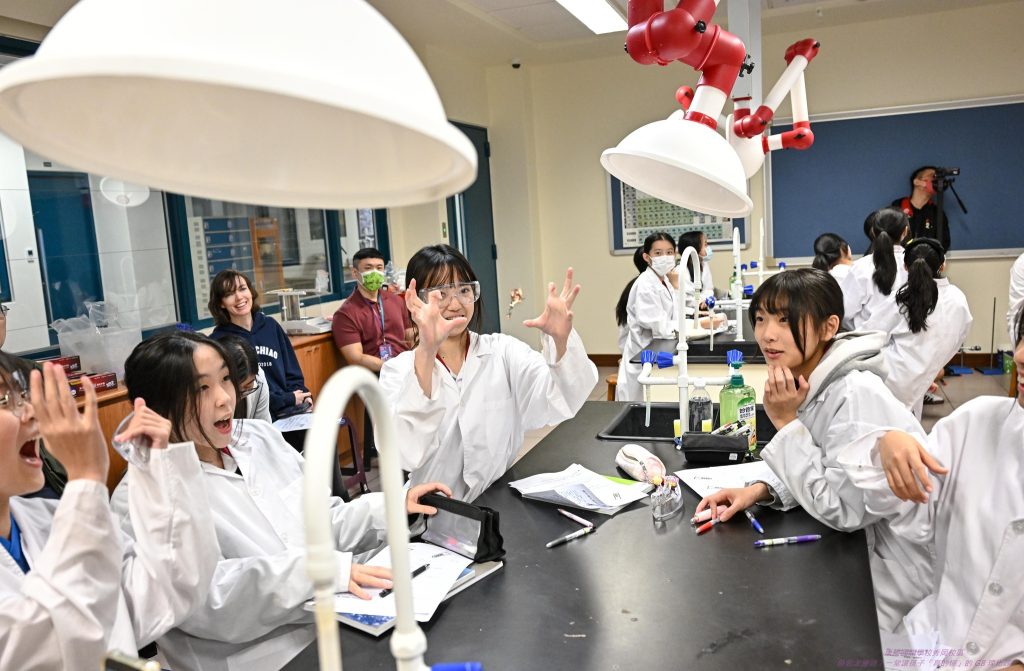
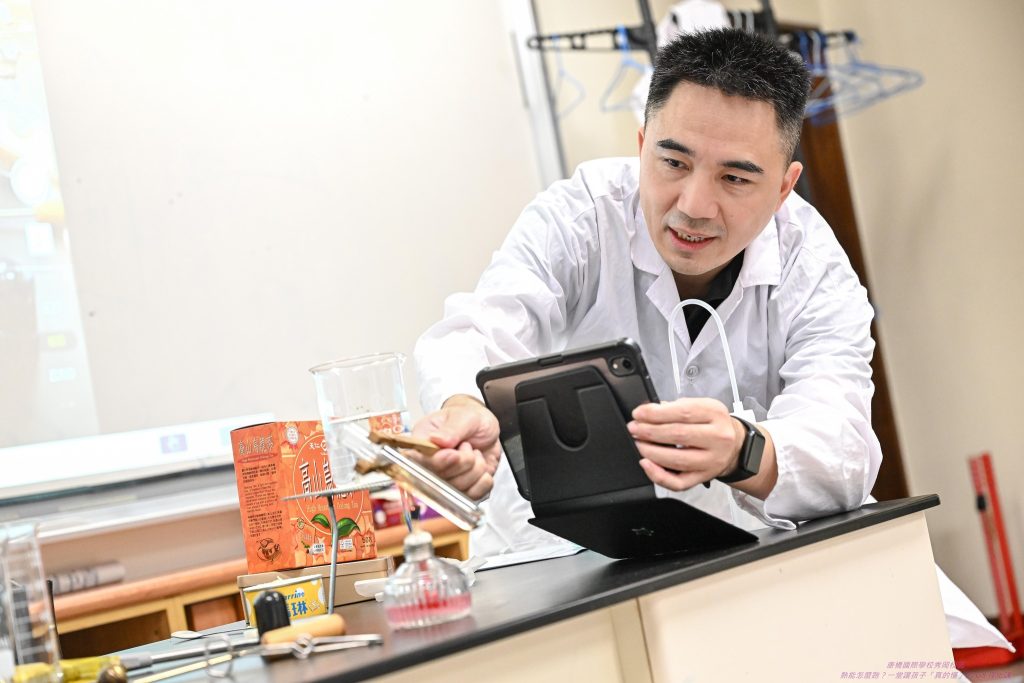
At the beginning of the science class, the teacher started from students’ everyday experiences, guiding them to touch metal and wood with their own hands and feel the temperature differences between different materials. Through hands-on experiences and group discussions, the students gradually discovered that metal is not actually colder, but that the difference lies in how quickly heat is conducted. In this way, the abstract concept of heat conduction was naturally understood through interaction.
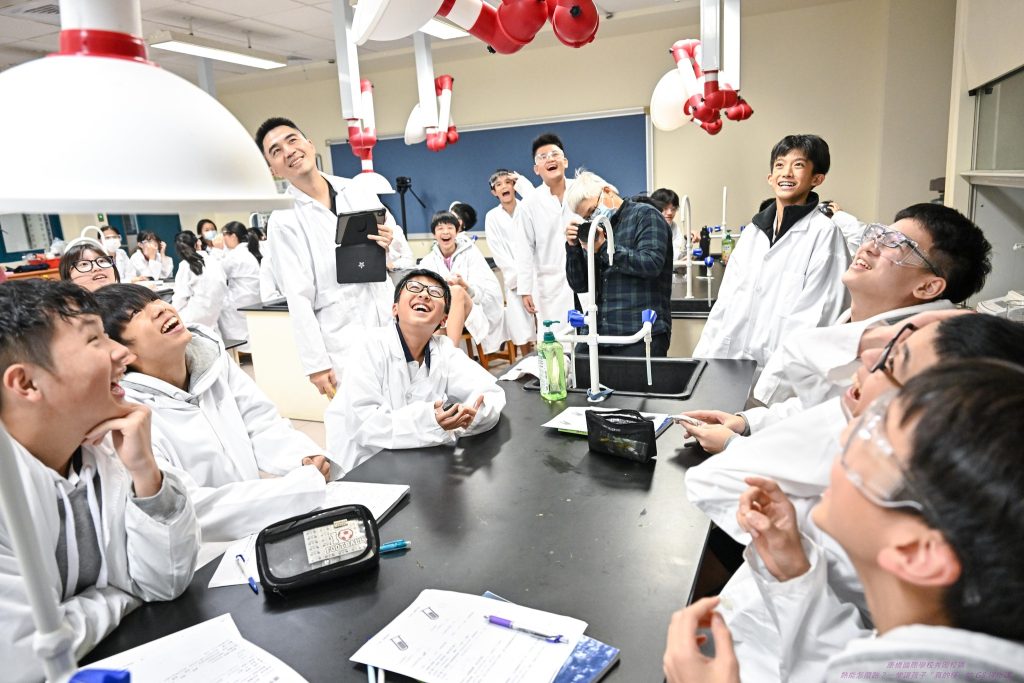
In this lesson, students were not simply “doing experiments.” Through repeated observation, discussion, and reflection, they gradually built a clear understanding of how thermal energy is transferred. Such a science class nurtures not only scientific knowledge, but also the ability to observe the world and explain phenomena through thoughtful reasoning.